
Traffic Crime vs. Traffic Infraction in Hawaii: What's the Difference in 2026?
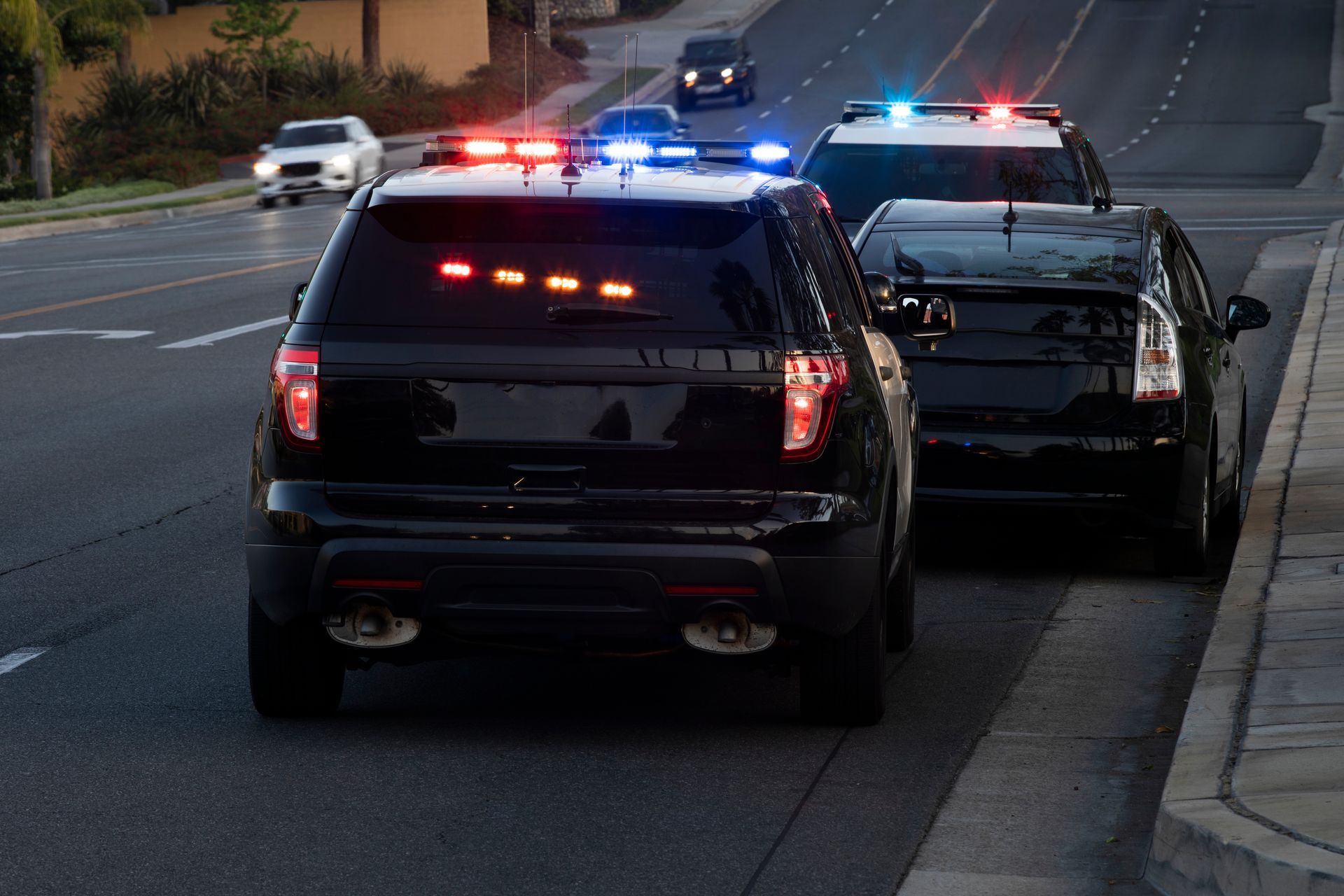
Not every driver pulled over in Honolulu, HI, faces the same legal trouble. Knowing the difference between a traffic infraction and a traffic crime can change everything about how you respond. If you have wondered whether you need a traffic crime attorney or can simply pay a fine and move on, this guide explains Hawaii's charge system in plain terms.
Hawaii Divides Traffic Offenses Into Two Distinct Categories
Hawaii law separates all traffic offenses into civil infractions and criminal charges. Traffic crimes are criminal violations that can be petty misdemeanors (up to 30 days in jail), misdemeanors (up to one year), or felonies (more than one year). Civil infractions are not crimes at all.
A civil traffic infraction is a violation of a statute, ordinance, or rule relating to traffic movement and control for which the penalties do not include imprisonment. Common examples include speeding, running a stop sign, driving without a seat belt, and having an expired safety check sticker. Because infractions are not crimes, a finding that a defendant committed one is not reported on their criminal record.
What Counts as a Traffic Crime in Hawaii?
Traffic crimes include driving under the influence of alcohol or drugs, racing on public roadways, driving without insurance, and reckless driving. Crashes that injure or kill someone can also result in criminal charges.
The line between an infraction and a crime can be surprisingly thin. A routine speeding ticket is a civil infraction, but motorists caught driving 80 miles per hour or faster, or exceeding the speed limit by at least 30 miles per hour, can be cited for excessive speeding, a petty misdemeanor under Hawaii Revised Statutes § 291C-105. If that behavior reflects a reckless disregard for the safety of persons or property, the driver can face a reckless driving charge.
How Does the Honolulu District Court Handle These Cases Differently?
Traffic infractions often do not require a court appearance and can be resolved by mail. Criminal charges require one. Because defendants in civil infraction cases are not subject to imprisonment, they are not constitutionally entitled to a jury trial or court-appointed counsel. Criminal charges come with those rights but also with serious stakes.
What Happens if You Are Convicted of a Traffic Crime?
A criminal traffic conviction carries consequences far beyond a fine. A guilty or no contest plea, or a finding of guilt, results in a criminal record that can affect employment, housing, and professional licenses. Police who believe a traffic crime just occurred will typically arrest the individual rather than issue a citation, and charges may carry jail time, fines, and license suspension. Working with a traffic crime attorney as early as possible gives you the best chance of understanding your options and identifying defenses before entering a plea.
When Should You Contact a Traffic Crime Attorney in Honolulu?
Contact a legal professional as soon as possible if you are facing any criminal-level charge. A traffic crime attorney serving Honolulu, HI, can review the Hawaii Revised Statutes cited on your paperwork, assess whether the charge level is appropriate, and identify possible defenses before you enter a plea.
Speak With a Skilled Legal Team Serving Honolulu Today
Dean C.M. Hoe Attorney At Law has served the Honolulu community for over 25 years, helping drivers understand exactly what they are facing and how to respond. Contact the firm for a free consultation or call (808) 523-0077 to speak with someone directly. You can also find the practice and read client reviews at Dean C.M. Hoe Attorney At Law .